







Search Results for: sweet fruity aroma
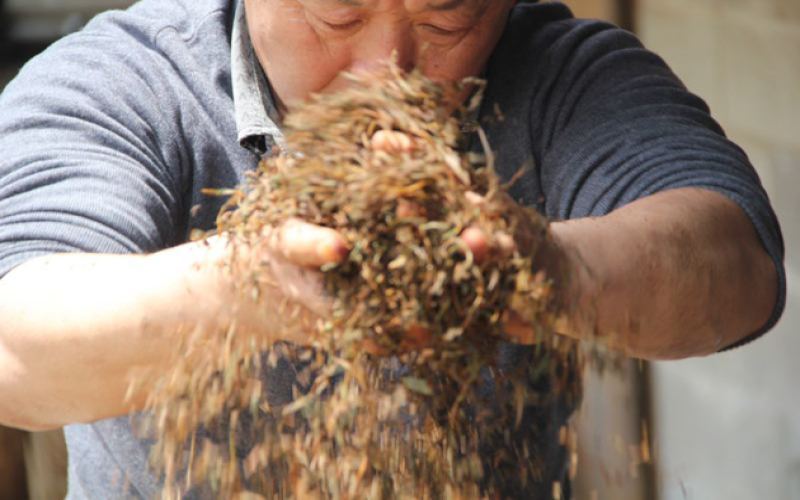
Why Does Lapsang Souchong Have a Sweet Fruity Aroma? A Full Analysis of the Three Major Flavor Types and Traditional Characteristics
Lapsang Souchong is often described as a black tea with a captivating sweet fruity aroma, but many enthusiasts find upon actually tasting it that the smoky flavor is intense, falling far short of expectations. In fact, the production of Lapsang Souchong in Tongmu Pass has now diverged into three styles: those with both smoky and fruity notes, those with coexisting smoky and woody notes, and those that are completely smoke-free with a rich fruity aroma. Traditional Lapsang Souchong, due to the spring cold in Tongmu Pass, has been dried over pine wood since ancient times, invariably carrying some smokiness, whereas the native Qi Zhong (rare variety) naturally boasts a prominent fruity aroma. This article will clarify the origins of the sweet fruity aroma, outline the three major types, and introduce the Lapsang Souchong Qi Zhong recommended by Front Street Coffee—smoke-free, full of fruity aroma, and with a long-lasting aftertaste. [more…]
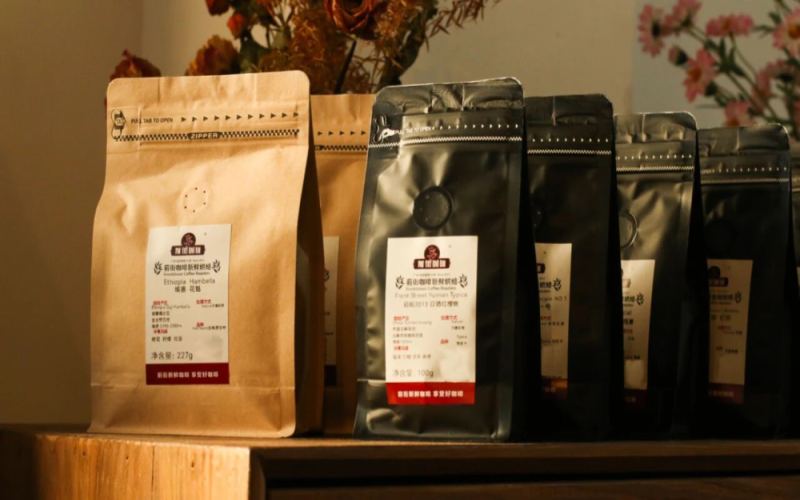
Factors Influencing Coffee Flavor | Why Do Coffee Beans Have Fruity Flavors? Recommended Specialty Pour-Over Coffee Beans with Pronounced Sweetness and Rich Fruity Aromas
Front Street Coffee - Introduction to the Floral and Fruity Aromas of Coffee Beans. The main factors affecting coffee flavor are the following four, and below we will explain from the four aspects of variety, origin, processing method, and roast level how to choose the coffee beans that suit you. Why does coffee have fruity notes? The reason coffee smells (and tastes) "fruity" ultimately comes down [more…]
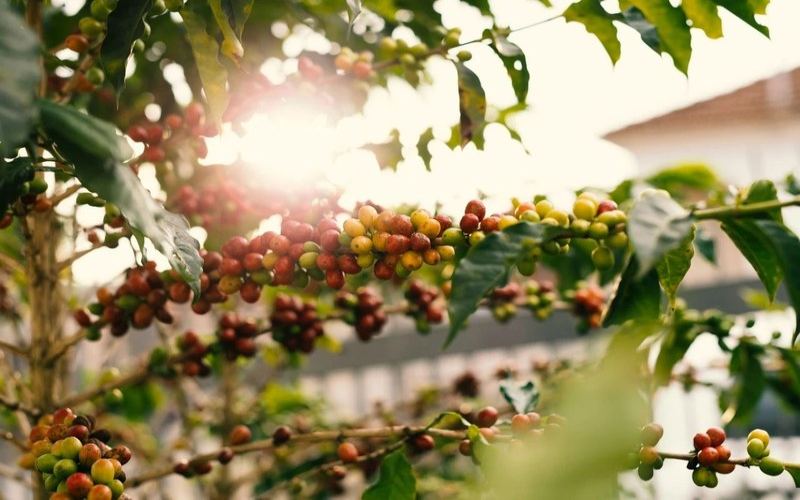
Noticeably sweet and rich in fruity aromas—choose pour-over beans by roast level
If you want to drink pour-over coffee with clear sweetness and a noticeable fruity aroma, the roast level is a very practical screening clue. Light roasts more easily retain floral, citrus, and berry notes, medium-light roasts bring fruity aromas and sugary sweetness closer together, and medium roasts add roundness and caramel associations. Based on whether you prefer a bright, soft, or full-bodied taste, [more…]

If you enjoy fruity and floral notes, choose coffee beans by roast level
If you enjoy floral and fruity aromas, you don't necessarily have to buy only the lightest roasts. The roast level changes the brightness of the aroma, the form of the sweetness, and the body of the mouthfeel: light roasts make it easier to taste petals, citrus, and tropical fruit, medium roasts fold the fruit notes into honey, tea-like, or caramel-like sweetness, and slightly darker roasts suit those who want to keep the fruit aromas while also needing [more…]

Exploring Floral and Fruity Regions: The Fruity Code of Ethiopia and Kenya
When exploring the regions that produce floral and fruity coffee, Ethiopia and Kenya are two origins you simply cannot avoid. These two African regions have distinctly different floral and fruity styles, and once you understand their respective fruity codes, you can precisely match your own taste preferences when choosing beans. Ethiopia is the native birthplace of Arabica, and its floral and fruity notes are characterized by tropical [more…]

Floral and fruity pour-over beans: how to choose your roast level
If you want to taste floral aromas and bright fruit flavors in pour-over, roast level is the first thing worth checking. It affects how well the beans retain their aromas, their acidity and sweetness, and their mouthfeel, and it also determines how much extraction force is needed during brewing. If you enjoy a bright, light cup with jumping layers of flavor, look to light roasts; if you prefer a sweet, smooth, well-rounded [more…]
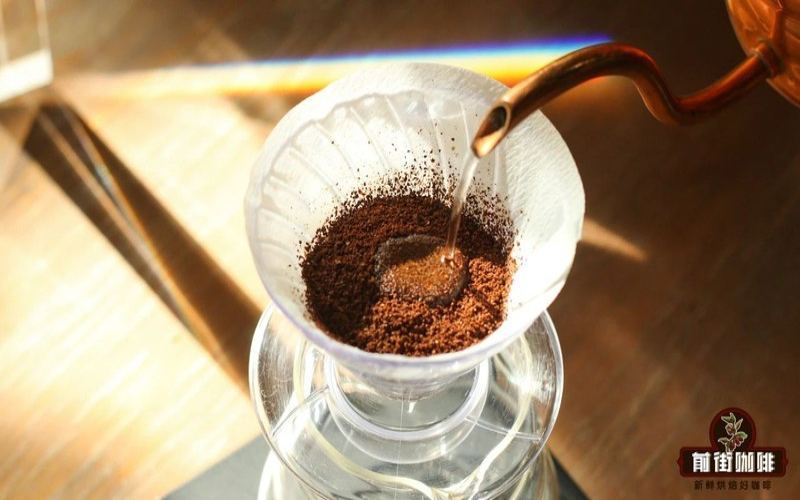
Choosing fruity coffee beans by roast level: how to choose between light, medium, and dark roasts
Fruity coffee beans aren't just about "tasting as sour as fruit"—they can also present floral aromas, a jam-like quality, juice-like body, or a delicate sweetness reminiscent of black tea. The roast level determines where these notes sit in the cup: roast light, and the fruity aromas move to the forefront; roast dark, and the fruity character blends into caramel, cocoa, and roasted notes, while the mouthfeel becomes more [more…]
Fruity Coffee Beans Recommendation: Balancing Budget and Drinking Frequency
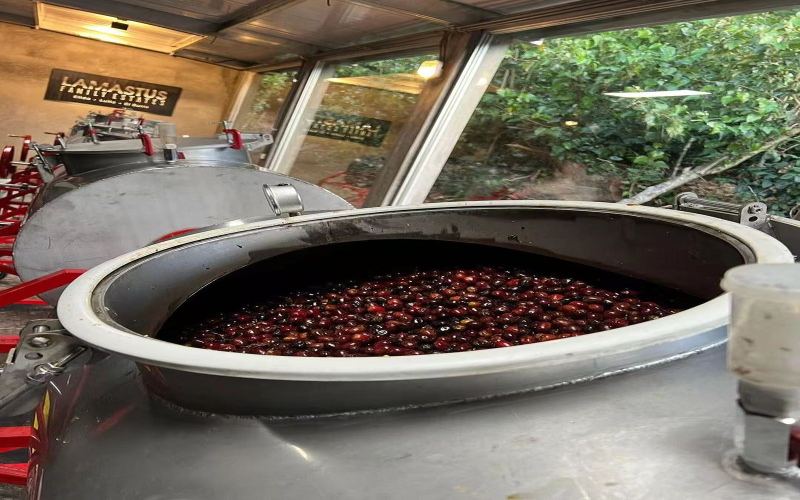
Fruity coffee beans aren't something you can master just by memorizing a few names. When buying beans day to day, you need to consider how quickly you'll drink them, how much to buy at once, and whether you mainly make black coffee or milk coffee at home. What's truly worth referencing is the sweet-to-sour ratio on the palate, the body's thickness or thinness, and the lingering finish once the coffee cools—then, combined with your brewing habits, your range of choices will gradually [more…]
How to Choose a Pour-Over with Floral and Fruity Notes: A Flavor Guide from Light to Medium Roast
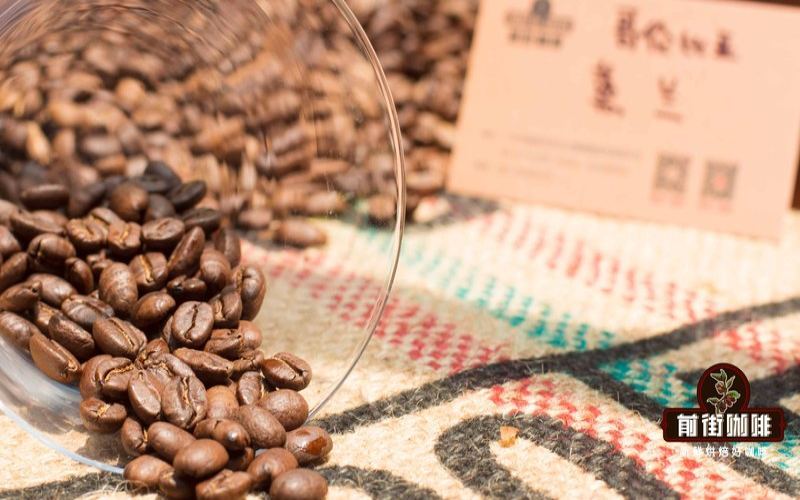
If you want to taste floral, citrus, berry, or tropical fruit notes in your pour-over, roast level is a very useful clue to follow. Light roasts more easily preserve the bright aromas brought by origin and processing method, medium-light roasts add sweetness and roundness, and medium roasts soften the floral and fruity character, making each sip more stable. Based on the acidity you like [more…]
How to Describe Coffee Flavors? A Comprehensive Analysis of Flavor Characteristics of Major Coffee-Producing Countries and Regions Worldwide
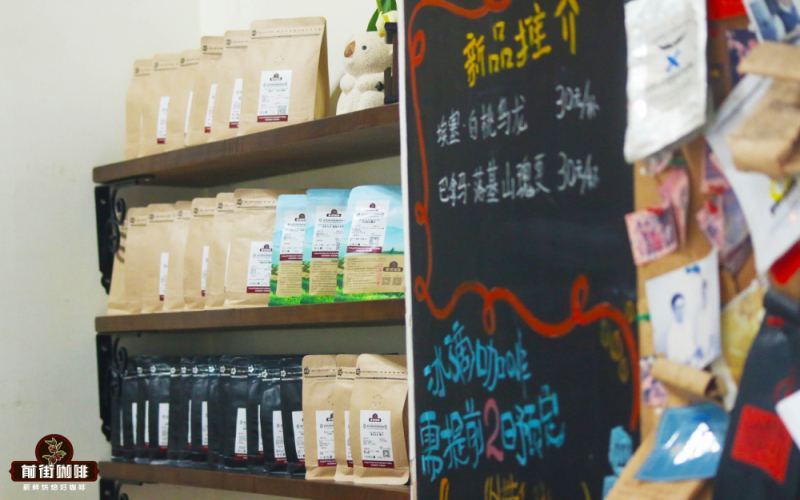
Even coffee from different plots within the same estate can vary in flavor, let alone regions spanning different countries. The three major specialty coffee regions—Asia, Africa, and the Americas—each display distinctly different regional characteristics due to their unique terroir. Ethiopia's floral and citrus notes and the rich, full-bodied character of Asian coffees each have their own following. When recommending single-origin beans to customers, Front Street Coffee matches them based on taste preferences—those who prefer acidity can choose Front Street Kenya Small Tomato or Front Street Yirgacheffe, while those who enjoy a full-bodied cup can try Front Street Jamaica Blue Mountain or Front Street Golden Mandheling. Front Street currently offers more than 200 specialty coffee beans, and every bean has undergone repeated roasting tests and cupping screenings, only being recommended to consumers after confirming it is representative of its region. The following content is a coffee flavor guide compiled by Front Street after multiple rounds of roasting and cupping of common coffee regions around the world. [more…]
The Flavor Window of Sweet Fruity Pour-Over Beans: From Degassing and Resting to a Drinking Rhythm That Locks In Juiciness
Freshly roasted coffee beans are filled with carbon dioxide inside. This layer of gas hinders water from smoothly penetrating the coffee grounds, making it difficult for aromatic compounds to be fully released during extraction. To taste a bright, light fruity note and full sweetness, the beans need a period of gentle degassing, allowing the internal structure and vol [more…]

Recommendations for Pour-Over Coffee Beans with Pronounced Sweetness and Rich Fruit Aroma: Balancing Budget and Drinking Frequency
From bean to cup, a coffee still has to go through grinding and extraction. When choosing hand-brewed coffee beans with pronounced sweetness and rich fruity aromas for everyday drinking, you need to consider how quickly you'll finish them, how much to buy at once, and whether your household mainly drinks black coffee or milk-based coffee. First confirm your usual brewing equipment and preferred taste, then compare specific beans, and put them to the test in practice. [more…]

How to Choose Honey-Processed Coffee Beans: Flavors and Brewing Methods from Light to Dark Roast
The charm of honey-processed coffee beans often lies in the connection found between fruity aromas, sweetness, and a mellow mouthfeel. After the pulp is removed, part of the mucilage layer on the surface of the coffee fruit is retained, and through drying, sweetness and fermented notes may enter the flavor profile. Depending on the roast level, this sweetness can present itself in floral-fruity, juicy, or caramel directions. [more…]
Floral and fruity pour-over beans: a flavor timeline after opening the package
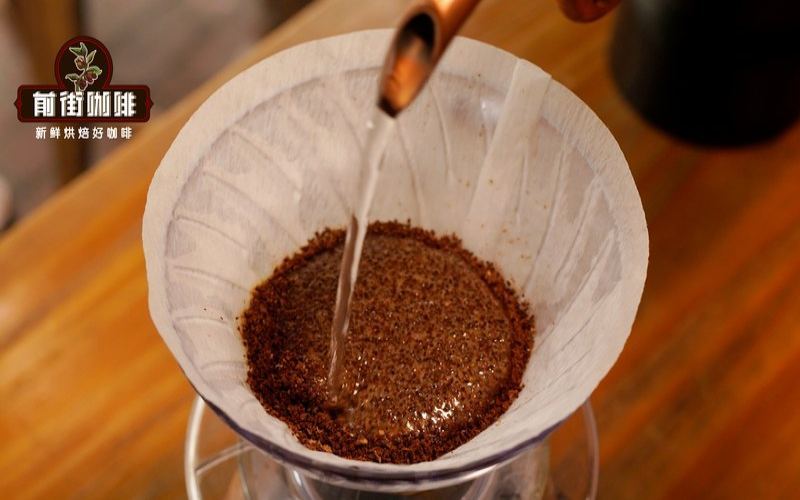
In a cup of floral-fruity pour-over, the aroma changes over time. Freshly roasted beans usually carry more roasting gases, so the brew may have a scattered aroma and pronounced acidity, with the details not yet fully developed. After some time, the floral notes, fruity sweetness, and tea-like quality gradually become clearer, and the layers are more easily revealed on the palate. When buying beans, [more…]
Tropical Fruit Aroma Specialty Coffee | What Factors Affect Coffee Bean Flavor? Which Floral and Fruity, High-Sweetness Pour-Over Beans Are Recommended for Beginners?
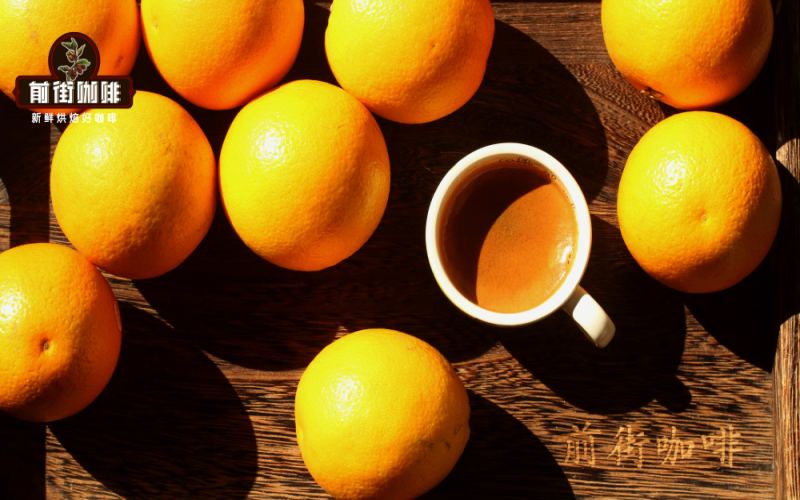
Coffee is a fruit—everyone knows that. But to be more precise, coffee is also a tropical fruit, so it can not only be eaten directly but should theoretically also have the tropical fruit characteristics mentioned above by Front Street. Yet when we pick a fully ripe coffee cherry on site, whether we smell it or eat it, it does not [more…]
Choosing Fruity Coffee Beans by Roast Level: How to Choose Between Light, Medium, and Dark Roasts
Fruity coffee beans are not just "sour like fruit"—they can also present floral notes, a jam-like quality, a juicy fullness, or a delicate sweetness close to black tea. The roast level determines where these aromas sit in the cup: roasted light, the fruit notes come forward; roasted dark, the fruity character melds into caramel, cocoa, and roasted notes, and the mouthfeel becomes more [more…]
Recommendations for Fruity, Aromatic Pour-Over Single-Origin Beans | Why Does Coffee Have Fruity Flavors? Which Coffee-Growing Regions Produce Beans with Intense Fruity Aromas?
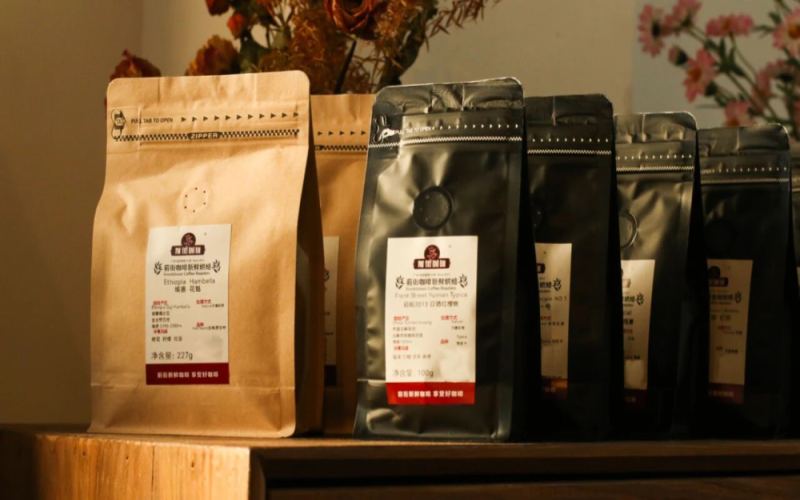
Front Street Coffee - Introduction to the Fruity and Floral Notes of Coffee Beans The factors that influence coffee flavor mainly fall into the following four categories. Below, we will explain how to choose the coffee beans that suit you best from four aspects: variety, origin, processing method, and roast level. Why does coffee have fruity notes? The reason coffee smells (and tastes) "fruity" ultimately comes down to [more…]
Floral and Fruity Camp in Pour-Over Coffee: Citrus, Berries, Tropical Fruits
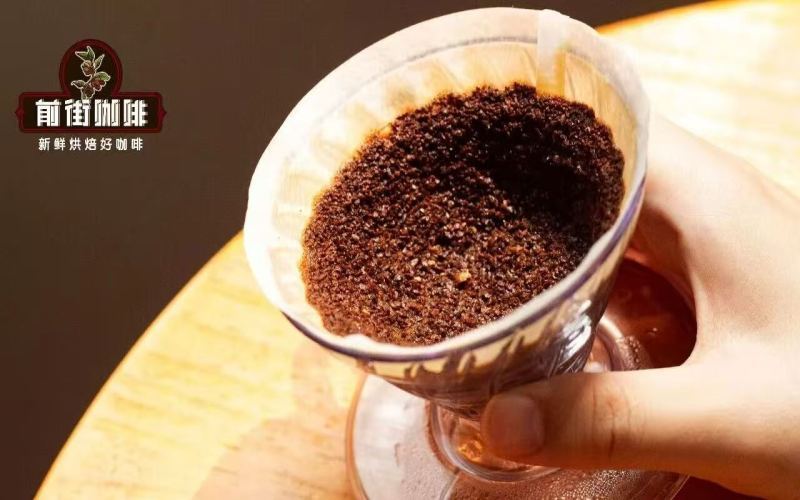
Many people, upon trying pour-over coffee for the first time, are amazed by a flavor: it turns out coffee isn't just bitter; it can be acidic, sweet, and aromatic, like fruit tea or flowers. This is the beloved floral and fruity profile in pour-over coffee. Its charm lies in amplifying the original regional flavors of the coffee beans: Ethiopian [more…]
Fruity and Floral Coffee Beans: The Flavor Rhythm from Roasting to Opening
The charm of floral and fruity coffee beans often lies in the transformation of their aroma. Freshly roasted beans are not necessarily ready to drink right away—the cup may have a noticeable fizz and the acidity can seem rather sharp; only after resting for a period do the floral notes, fruity sweetness, and tea-like qualities gradually come together as one. When buying beans, look at the flavor description, but also take into account the roast date and your own [more…]
Yirgacheffe Worka Coffee Flavor Analysis: A Complete Guide from Variety and Origin to Honey Sweetness and Floral-Fruity Notes
Yirgacheffe is one of the most iconic regions in today's specialty coffee world, and Worka, as one of its most closely watched lots, is known for its honey-like sweetness and richly layered floral and fruity notes. Starting from the flavor definition of Yirgacheffe, this article will systematically sort through the aroma characteristics, mouthfeel, and variety background of Worka coffee, while also introducing representative products such as Front Street Coffee's washed Gedingding, to help coffee lovers gain a more comprehensive understanding of this region's unique charm. Whether you are a beginner just getting into specialty coffee or a seasoned drinker looking for an everyday staple, you will find practical flavor references and brewing suggestions here. [more…]